PRECISE • TARGETED • DERMATOLOGIST-SUPERVISED
Mole, Wart & Skin Tag Removal
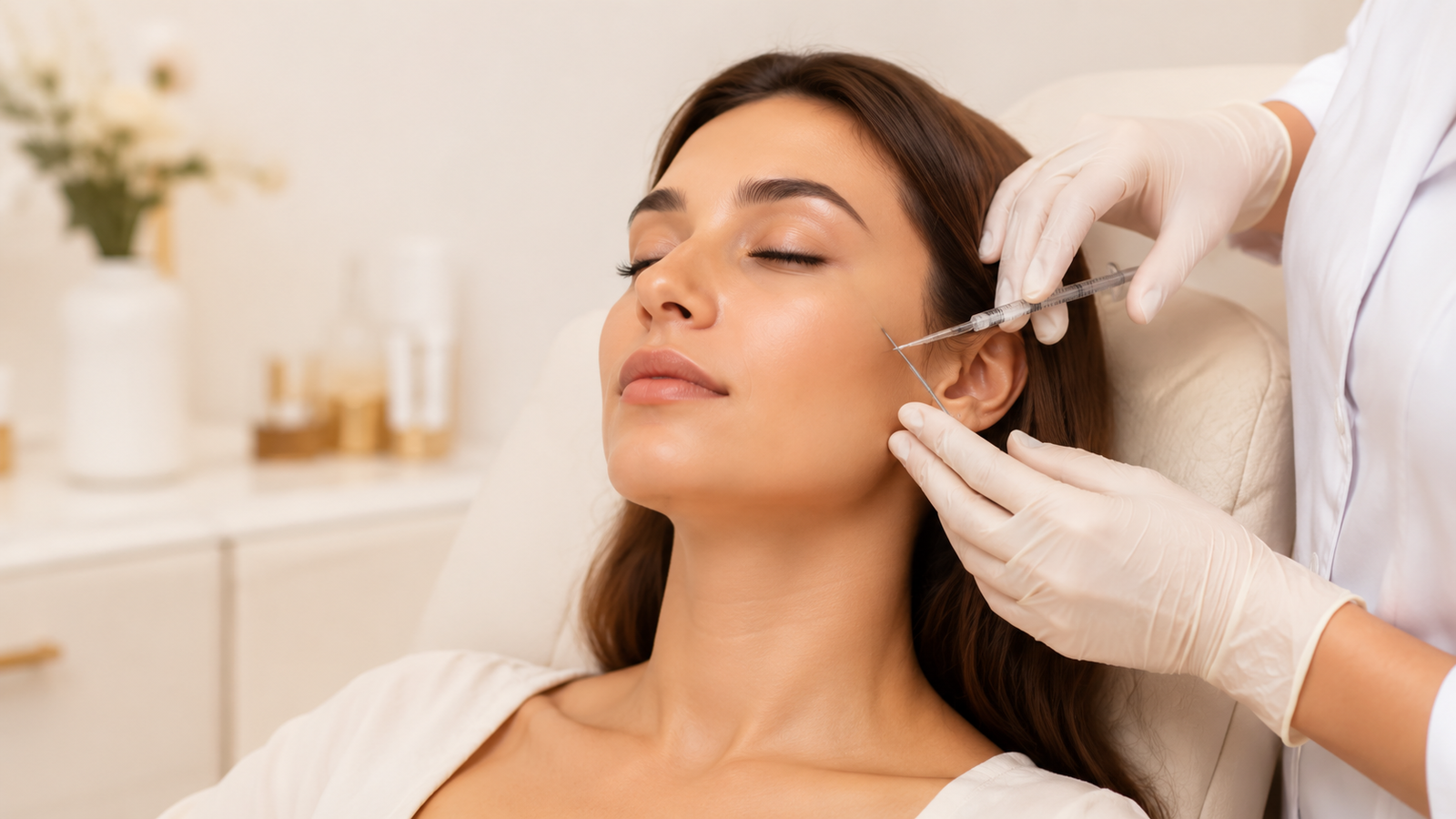
Quick, targeted treatments for benign moles, warts and skin tags, along with intralesional steroid injections for limited patchy alopecia areata.
- Mole Removal
- Wart Removal
- Skin Tag Removal
- Alopecia Areata Injections
- Dermatologist-Supervised Assessment
Treatment Time
10 – 30 Mins
Downtime
Minimal
Healing
1 – 2 Weeks
Alopecia Follow-Up
Every 4–6 Weeks

ABOUT OUR MINOR PROCEDURES
Precise Treatment for Specific Concerns
Glow Lab Aesthetic offers focused laser removal for benign moles, common warts and skin tags, alongside intralesional steroid injections for limited alopecia areata. Each concern is assessed individually so the treatment is appropriate, safe and suited to the specific condition.
HOW MINOR PROCEDURES WORK
Our Treatment Process
Benefits
Why Choose Minor Procedures?
- Quick, targeted procedures
- Precise treatment of suitable lesions
- Minimal effect on surrounding skin with laser removal
- Many suitable lesions treated in one session
- Local numbing may be used for comfort
- Individual assessment before treatment
- Alopecia treatment tailored to response
- Dermatologist-supervised care

Good Candidate
- Benign, assessed moles
- Common warts
- Skin tags
- Limited patchy alopecia areata
- Smaller alopecia patches may respond better
Not Recommended For
- New or changing mole
- Irregular borders
- Colour variation
- Asymmetrical mole
- Suspicious lesion
- Active skin/scalp infection
- Open wounds
- Active sunburn
age
Safety Before Treatment
Every mole should be properly evaluated before cosmetic removal. If biopsy is appropriate, that takes priority over laser treatment.
Expect Exceptional Results
Side Effects
- Scab Formation
A scab commonly forms after laser removal as part of the normal healing process.
- Temporary Pigment Changes
The treated area may temporarily appear lighter or darker than the surrounding skin.
- Scarring — Small Risk
Laser removal carries a small risk of scarring, which is reduced by proper technique and aftercare.
- Infection — Uncommon
Infection can occur if the treated area is not cared for properly during healing.
- Mild Scalp Tenderness
Alopecia injection sites may feel mildly tender for a day or two after treatment.
- Skin Thinning / Pigment Change
Steroid injections may cause mild temporary thinning or pigment changes at the injection site.
Why choose Glowlab Aesthetics ?
- Proper lesion assessment
- Dermatologist-supervised procedures
- Biopsy referral when appropriate
- Personalised treatment decisions
- Honest alopecia expectations
- Safety-first approach
- No cosmetic treatment of suspicious lesions

Meet Our Experts
Dr Bushra Rehman Niazi
Consultant Dermatologist
- MBBS (K.E.), MCPS, FCPS
- Evidence-Based Skincare & Aesthetic Treatments
- Personalized Treatment Plans
- Specialist in Advanced Dermatology & Natural-Looking Results
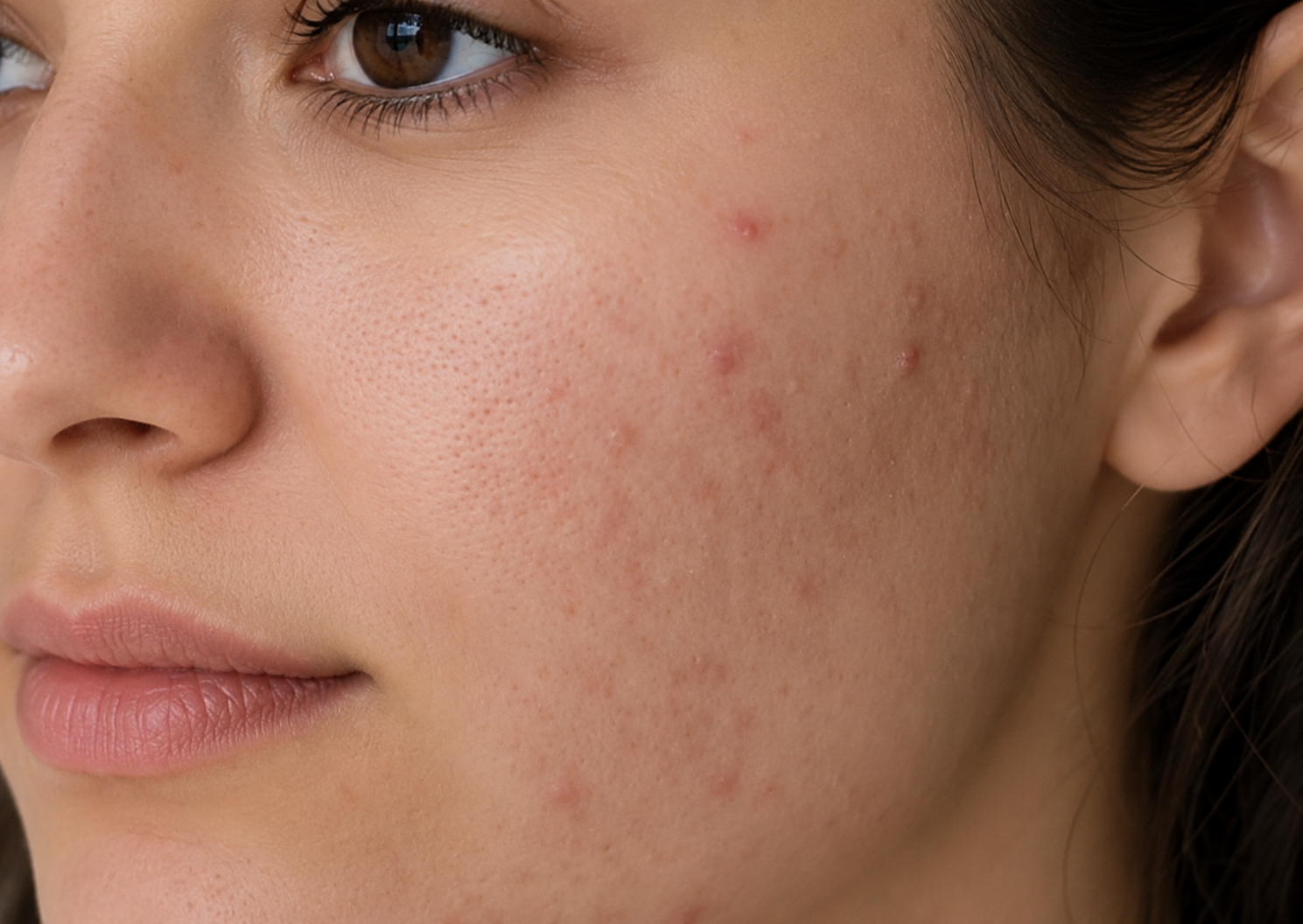
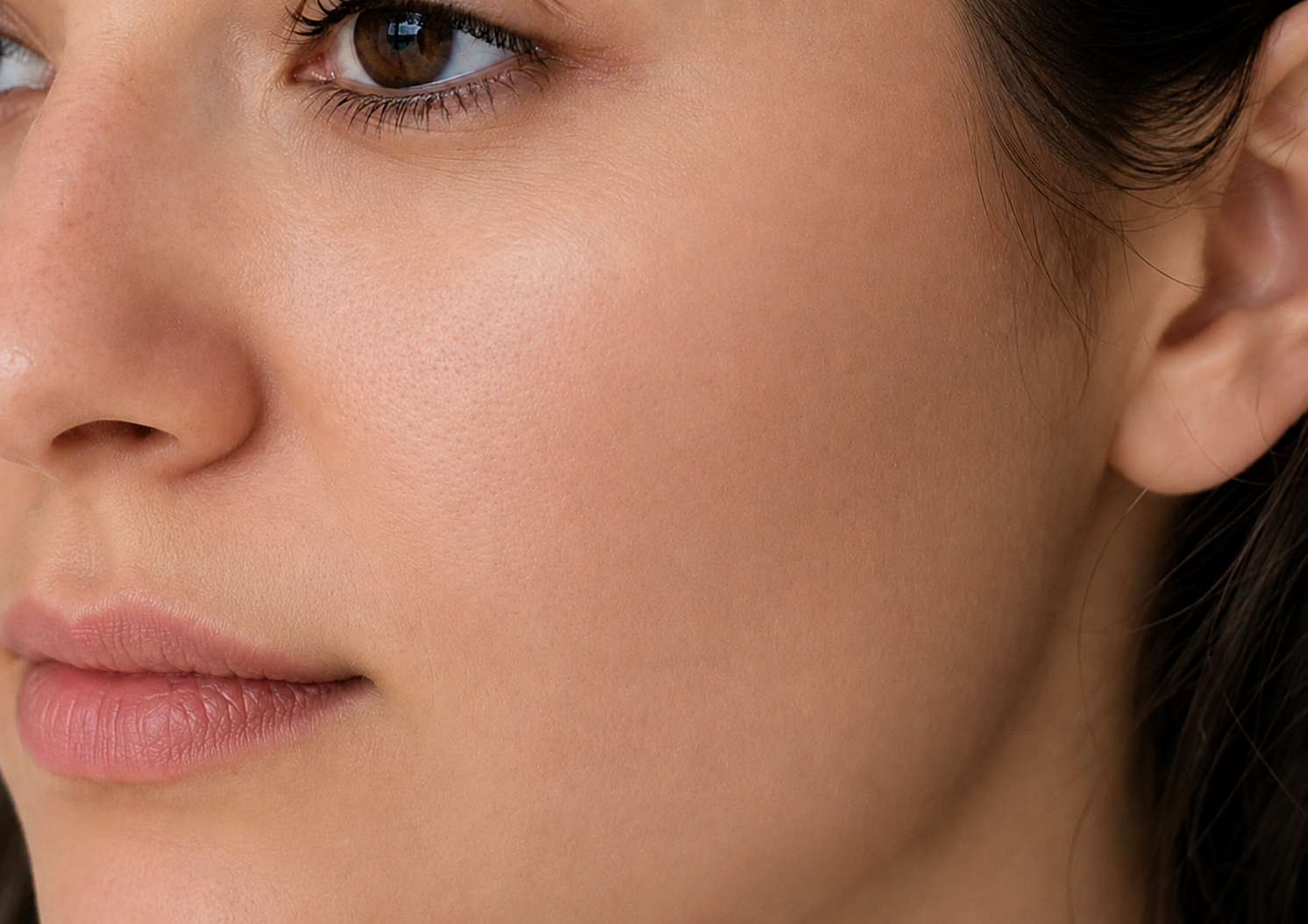
Before & After
Targeted Treatment, Visible Progress
Need a Proper Assessment First?
Whether you’re considering mole, wart or skin tag removal, or treatment for patchy alopecia, start with a professional assessment to determine the safest and most appropriate approach.
Frequently Asked Questions
How does laser mole removal work?
A focused laser precisely removes the targeted tissue with minimal effect on the surrounding skin. The procedure is usually completed in one quick in-office session lasting around 10–30 minutes, depending on the size and number of lesions.
Is laser mole removal safe?
When performed on a properly evaluated, benign mole by a trained practitioner, laser removal is generally considered safe. Any mole that is new, changing, or irregular should be properly assessed—and potentially biopsied—before cosmetic removal.
How long does it take to heal after mole removal treatment?
Full healing generally takes around 1–2 weeks, depending on the size and location of the lesion. A scab usually forms during normal healing, while most people can return to their usual daily activities within a few days.
Will laser removal leave a scar?
There is a small risk of scarring or temporary changes in skin pigmentation at the treated area. Proper technique, suitable laser settings, and following the recommended aftercare help minimise these risks.
Do steroid injections work for alopecia areata (bald patches)?
Intralesional steroid injections are considered a first-line treatment for limited, patchy alopecia areata. They can help stimulate hair regrowth in many smaller patches, although results vary and relapse can occur. Effectiveness is generally more limited in larger or more extensive areas of hair loss.
How many alopecia injection sessions are needed?
Sessions are generally scheduled every 4–6 weeks across several rounds. Early signs of regrowth may appear around 4–6 weeks, with more noticeable growth potentially visible by 8–12 weeks if the treatment is working. The response is reassessed at each visit rather than committing to a fixed number of sessions.
Can any mole be removed with laser treatment?
No. Laser removal is only appropriate for moles that have already been confirmed as benign. Any mole that is new, changing in size or colour, has irregular borders, or otherwise appears suspicious requires proper evaluation—and potentially a biopsy—before cosmetic treatment is considered.